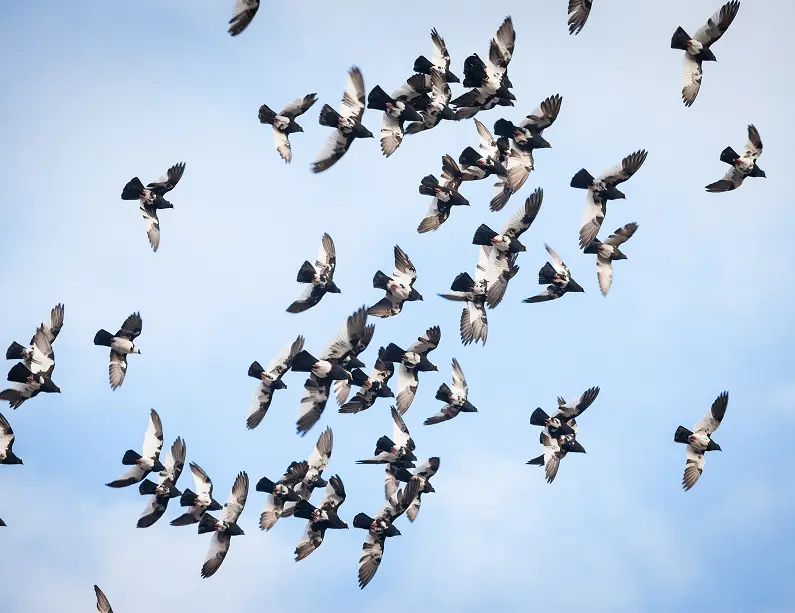
Young Bird Sickness in Pigeons: The Role of Rotavirus
Introduction
Young Bird Sickness, also known as Young Pigeon Disease (YPD) or Young Pigeon Disease Syndrome (YPDS), is a prevalent and often severe condition affecting juvenile pigeons, particularly racing pigeons between the ages of 4 weeks and 6 months. This syndrome is multifactorial, involving a combination of viral infections, stress, and secondary bacterial complications, but Rotavirus A (RVA) has been identified as a primary viral pathogen responsible for many outbreaks. RVA is a novel group A rotavirus, with genotypes such as G18P[17] commonly detected in affected birds. The disease primarily impacts the gastrointestinal system, leading to high morbidity and potential mortality in lofts.
Causes
The primary cause of young bird sickness in pigeons is infection with Rotavirus A (RVA), a highly contagious virus that targets the digestive tract. RVA is particularly virulent in young pigeons, where it can trigger acute illness and hepatic necrosis. While rotavirus is a key etiologic agent, the syndrome is often exacerbated by co-infections with other viruses such as circovirus and adenovirus, which contribute to immunosuppression and secondary bacterial overgrowth (e.g., Escherichia coli).
Key Contributing Factors
- Viral Infection: RVA is transmitted via the fecal-oral route, often through contaminated water or feed during transport to races or when introducing new birds to a loft. Infected pigeons can shed the virus for up to 12 weeks post-recovery, acting as carriers and facilitating spread. Transmission can occur even in separate transport baskets, as birds are exposed to shared environments or indirect contact.
- Stress and Environmental Triggers: Factors such as overcrowding, extreme heat, intense training, and the stress of mixing with unfamiliar birds weaken the immune system, increasing susceptibility to RVA. These stressors are common in racing scenarios, where pigeons are transported and released, leading to outbreaks.
- Secondary Infections: RVA infection damages the intestinal lining, promoting dysbacteriosis and allowing opportunistic bacteria to proliferate, which amplifies the disease severity.
The virus affects various pigeon types, including racing, fancy breeds, and feral rock pigeons, but young birds are most vulnerable due to their developing immune systems.
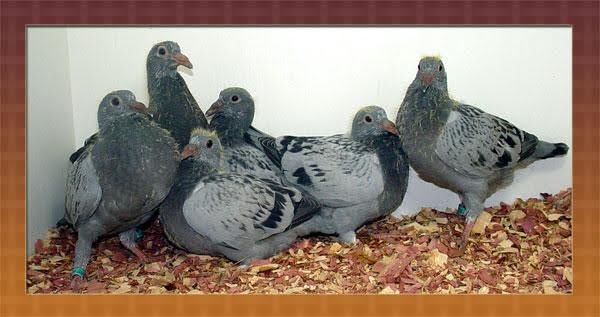
Young Bird Season Preparation and Season Maintenance | Winning …
Figure 3: Healthy young racing pigeons
Symptoms
Symptoms of young bird sickness caused by rotavirus typically appear 1–7 days after exposure and can escalate rapidly, leading to death within 12–24 hours in severe cases. The disease manifests primarily as gastrointestinal distress, but systemic effects are common. Morbidity can range from 3% to 100% in affected lofts, with mortality rates of 0%–50%. Outbreaks often persist for about seven days, with birds showing a progression from mild to severe signs.
Pigeon Young Bird Sickness (Circovirus)
Figure 4: Young pigeon showing signs of sickness (lethargy and distress)
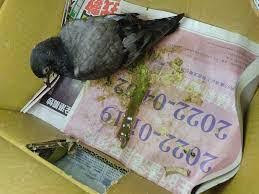
What to do for a lethargic homing pigeon?
Figure 5: Lethargic and depressed young pigeon
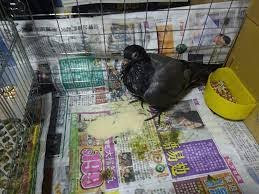
What to do for a lethargic homing pigeon?
Figure 6: Sick pigeon displaying typical symptoms
Herpes Virus or Youngbird Sickness ,what vet Schroeder Tollison …
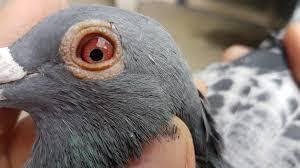
Figure 7: Advanced stage of young bird sickness
Common Symptoms
- Gastrointestinal Signs: Vomiting or regurgitation, watery and profuse diarrhea (sometimes foul-smelling), and stowed crop (where the crop fails to empty). These are the hallmark symptoms, often leading to severe gastroenteritis.
- General and Systemic Signs: Lethargy, depression (e.g., reluctance to fly), anorexia, rapid weight loss, dehydration, and hunched posture. Birds may appear emaciated, and in advanced stages, a distended abdomen can occur.
- Other Signs: Biliverdinuria (greenish urine due to liver involvement), polyuria, and occasionally atypical respiratory or nervous symptoms. Sudden deaths are reported, especially in young pigeons.
Pathological findings include enlarged and mottled livers, congested spleens, and pale kidneys, reflecting the virus’s impact on multiple organs. Secondary bacterial infections can worsen symptoms, leading to higher mortality if untreated.
Conclusion
Young bird sickness in pigeons, driven by rotavirus, poses a significant threat to pigeon lofts worldwide, particularly in racing communities. Understanding its causes—primarily RVA infection compounded by stress and transmission risks—and recognizing early symptoms like vomiting and diarrhea are crucial for timely intervention. While this document emphasizes rotavirus, note that co-infections with other pathogens like circovirus and adenovirus often play a role, making comprehensive veterinary diagnostics essential. Pigeon owners should consult avian specialists for management strategies to mitigate outbreaks.
Vaccine Combinations
In combined vaccines, each antigen is not automatically included at the same dosage as in single-component vaccines.
In other words, each antigen should be present at the same effective dose it would be if administered separately – this is not always the case.
Thus, antigen concentrations are adjusted to account for potential interactions and overall immune response, rather than simply adding full individual doses together.
There is the potential of multiple antigens leading to what’s known as “antigenic competition”, where immune responses to one component may influence the response to another.
Ideally, a combination vaccine should provide protection without reduction in efficacy.
When using a single vaccine, it is easier to pinpoint which vaccine cause an adverse reaction and when checking immunity, results correspond to a single pathogen (making interpretation straightforward)
For our vaccines, we normally perform safety monitoring on each batch to assess and evaluate the response of each batch of vaccine